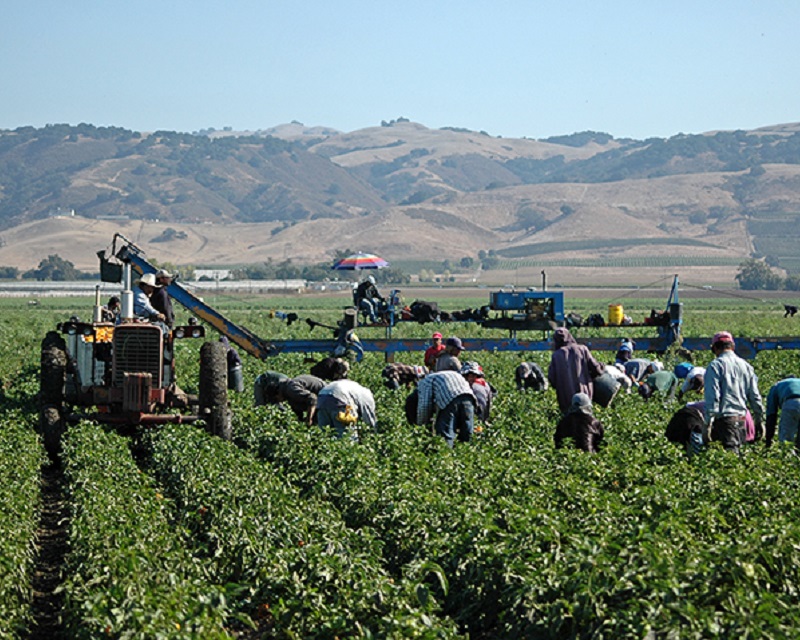
Keeping victims isolated – sometimes physically, sometimes emotionally – is a key method of control in most labor trafficking situations. But that does not mean you never cross paths with someone who is being trafficked. A contractor might notice that a subcontractor’s team appears to be sleeping in unfinished homes, or a suburban mom might learn from a nanny at her local playground that her employer mistreats and threatens her. If you understand how labor trafficking works, you may well be able to help.
Myth
All human trafficking involves sex.
Reality
Human trafficking is the use of force, fraud or coercion to get another person to provide labor or commercial sex. Worldwide, experts believe there are more situations of labor trafficking than of sex trafficking, but there is much wider awareness of sex trafficking in the U.S. than of labor trafficking.
Myth
Only undocumented foreign nationals get trafficked in the United States.
Reality
Polaris has worked on thousands of cases of trafficking involving foreign national survivors who are legally living and/or working in the United States. These include survivors of both sex and labor trafficking.
Myth
Labor trafficking is only or primarily a problem in developing countries.
Reality
Labor trafficking occurs in the United States and in other developed countries but is reported at lower rates than sex trafficking.
Common Labor Trafficking Red Flags

Labor Trafficking Examples
Read real labor trafficking situations that we hear about most frequently on the U.S. National Human Trafficking Hotline to help you to understand and recognize possible labor trafficking in your own life.
Labor Trafficking Training
Interested in learning more about labor trafficking? Take our free introductory course, Human Trafficking 101, to learn what human trafficking really is, how it happens, and how you can be part of the solution.